What is the purpose of Fiber Splice Enclosure?
If you want to protect your fiber optic cable splices, you will need a fiber splice enclosure. Also known as patch & splice panels, these enclosures contain devices that connect fiber optic cables. There are several types of Outdoor Fiber Splice Enclosure, Bwnfiber have many types for your options. They are designed to protect and preserve the integrity of fiber optic cables and are commonly used in telecommunications and CATV.

Bwnfiber Fiber Splice Box is designed for outdoor centralized splice applications. They are suitable for DAS, MTU commercial business, and residential fiber network applications. In addition to their centralized splice management capabilities, Splice Enclosure also feature cable port accessories that increase splice storage density. In order to get the most out of a fiber splice enclosure, it’s important to choose a product that fits your network’s needs.

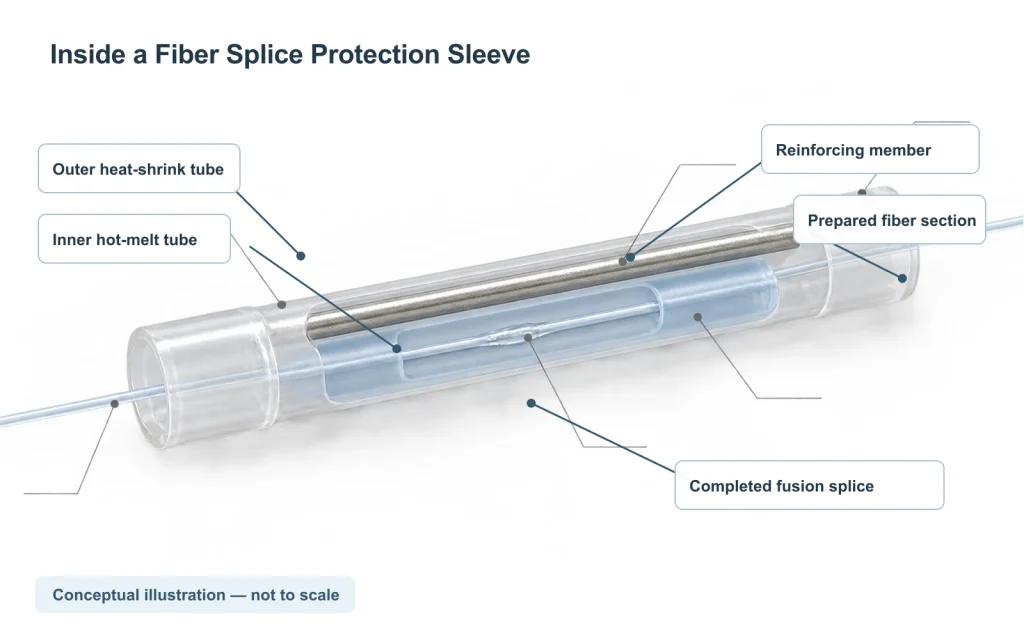
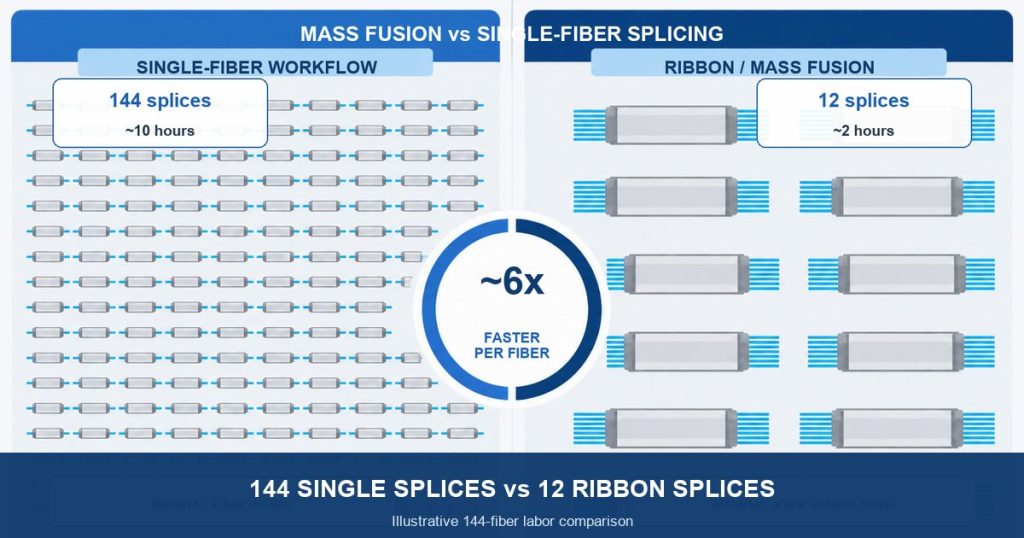
Usually, a fiber splice enclosure is placed on an exterior plant at patch panel points. In indoor applications, fiber splice trays are integrated into patch panel boxes. The enclosures protect splices in different ways, depending on the type of splices being performed. The fiber splice tray can accommodate a variety of fiber splice types, including mechanical and fusion splicing.
The same trays often hold bare-fiber PLC splitters in FTTH closures, so plan tray capacity for both the splices and the splitters.

BWNFiber is a provider of fiber optic joint closure systems. The Starfighter series of fiber enclosures includes dome splice enclosures and inline splice enclosures. Both are expandable and feature gasketed sealing. Both of these enclosures feature gasketed sealing and cable seals.

What is the difference between a dome and an in-line splice enclosure?
The dome closure is a vertical enclosure for high-capacity outdoor consolidation points, while the in-line closure sits along the cable route for aerial, duct, and buried applications. Both seal the splices; choose by capacity, route type, and re-entry needs.
How many splices can a fiber splice enclosure hold?
Capacity depends on the model and the splice tray count — the same enclosure family often spans from 24 to 288 cores. Confirm the core count, tray count, and spare tray positions with the datasheet for the exact model before ordering.
Can a splice enclosure be reopened after installation?
Yes. Gasketed closures are designed to be re-enterable and reusable, so future drops or repairs can be spliced into the same enclosure without replacing the seal or the housing.
Where is a splice enclosure installed in an FTTH network?
In the outside plant at cable-route consolidation points, and indoors where splices are organized in patch panel boxes or termination boxes. The enclosure type follows the installation point: dome and in-line styles outdoors, tray-based boxes indoors.
Match Closure Hardware to Your Network: Three Keyword Branches
Match the branch to what your project still needs — each leads to the corresponding BWNFiber product line:
- Branch 1 · The closures themselves: the in-line splice closure for aerial, duct and buried routes, and the dome splice closure for high-capacity outdoor consolidation.
- Branch 2 · Termination and cable management: fiber termination boxes for indoor patch-panel points, and the fiber cable management range for panels, frames and cabinets.
- Branch 3 · Inside the closure: bare-fiber PLC splitters that splice directly onto the tray beside your fusion joints.
From the BWNFiber range, organized by branch: closures → termination and management → inside the closure. Each image links to the corresponding product page.

Universal-access closure for aerial, duct and direct-buried routes.

Vertical dome closure that seals and organizes outdoor splices.

The dome series for FTTx consolidation points in the outside plant.

Where drops terminate before splices move indoors to the panel.

Panel and frame hardware that houses splice trays indoors.

250 µm bare-fiber splitter that splices onto the tray with your joints.
Send Your Enclosure Requirements
Tell us the route type (aerial, duct, or direct-buried), the core count, and the splice method. We will confirm the enclosure model, tray capacity, and sealing option before you order. Send My Enclosure Inquiry